
Winter brings cozy blankets, warm drinks, and slower days — but for your dog, the season brings real physiological changes. Cold air, low humidity, less exercise, and shorter daylight hours can all affect your pup’s metabolism, energy, coat, and even mood!
Supporting your dog with the right nutrients during winter doesn’t require changing their entire diet — just a few smart, seasonal adjustments that help them stay warm, hydrated, and healthy.
Below is your complete winter nutrition guide for dogs, including how each nutrient works, natural food sources, and easy ways to incorporate them.
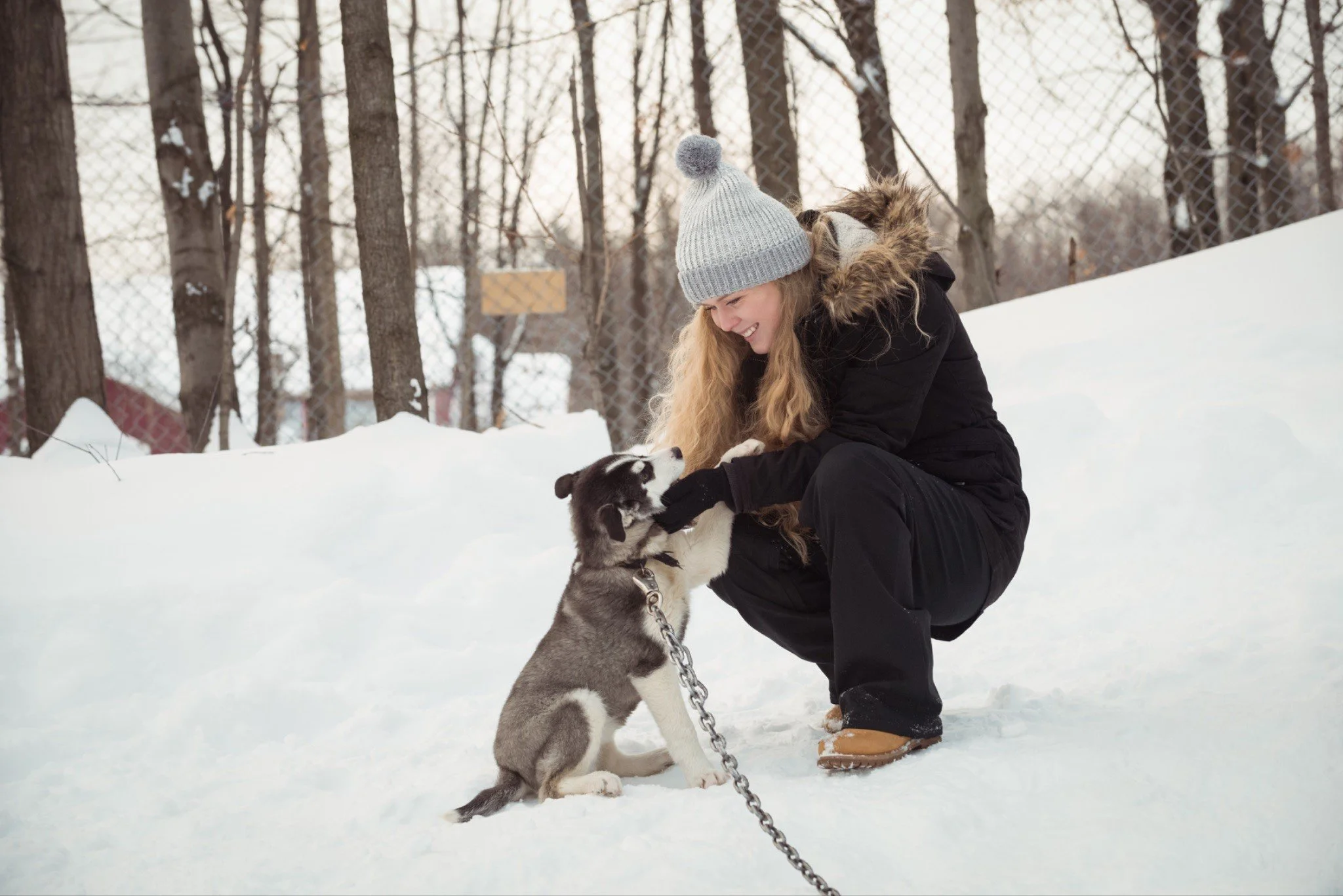
Why Dogs Need Different Support in Winter
Even if your dog lives indoors, their body still responds to seasonal shifts:
● They burn more calories maintaining body heat
● Indoor heating dries out their skin and coat
● Many dogs naturally drink less water
● Immunity may drop due to temperature changes
● Reduced outdoor exercise lowers muscle activity
A winter-smart feeding routine helps prevent dull coats, low energy, dryness, and winter sluggishness.
1. Omega-3 Fatty Acids: The Skin, Coat & Joint Protector
Cold air + indoor heating = dry skin season.
Omega-3s help counter this by:
● Hydrating skin naturally
● Reducing flakiness
● Supporting a shiny coat
● Easing stiff joints (common in cold weather)
● Strengthening immunity
Natural sources:
● Salmon, tuna, sardines
● Dog-safe fish oil
● Freeze-dried fish treats
If your dog enjoys fish, Lecker Bites’ Freeze-Dried Tuna Bites are a natural source of Omega-3s and an easy winter add-on without fillers or artificial flavours.
2. High-Quality Protein: For Warmth, Energy & Muscle Support
Dogs tend to burn slightly more calories in winter — especially if they’re active or have a thinner coat.
Protein keeps their metabolism stable and supports:
● Warmth
● Muscle maintenance
● Steady energy
● Immune strength
Natural sources:
● Chicken, beef, turkey
● Eggs
● Organ meats
● High-protein freeze-dried treats
Easy tip: Add a spoon of lightly cooked chicken or a small amount of organ meat once or twice a week for a nutrient boost.
3. Vitamin A: The Immune & Eye Health Essential
Vitamin A is especially important in cold months as it supports:
● Immunity
● Tissue repair
● Skin health
● Vision
Because dogs store Vitamin A effectively, small, controlled amounts work best.
Natural sources:
● Liver
● Eggs
● Pumpkin (cooked, plain)
● Dark leafy greens (in moderation)
This nutrient is easy to overdo, so give small servings and rotate sources.
4. Iron: The Energy & Warmth Regulator
Iron keeps red blood cells healthy — which means better oxygen flow, better warmth regulation, and stronger stamina.
Signs your dog may benefit from more iron in winter:
● Sluggishness
● Cold intolerance
● Dull coat
● Low motivation on walks
Natural sources:
● Red meats
● Liver
● Heart
● Dark, dog-safe greens
Natural chews like the Beef Oxtail Chew from Lecker Bites are naturally rich in iron and minerals, providing both nutrition and long-lasting chewing enrichment during colder, low-activity days.
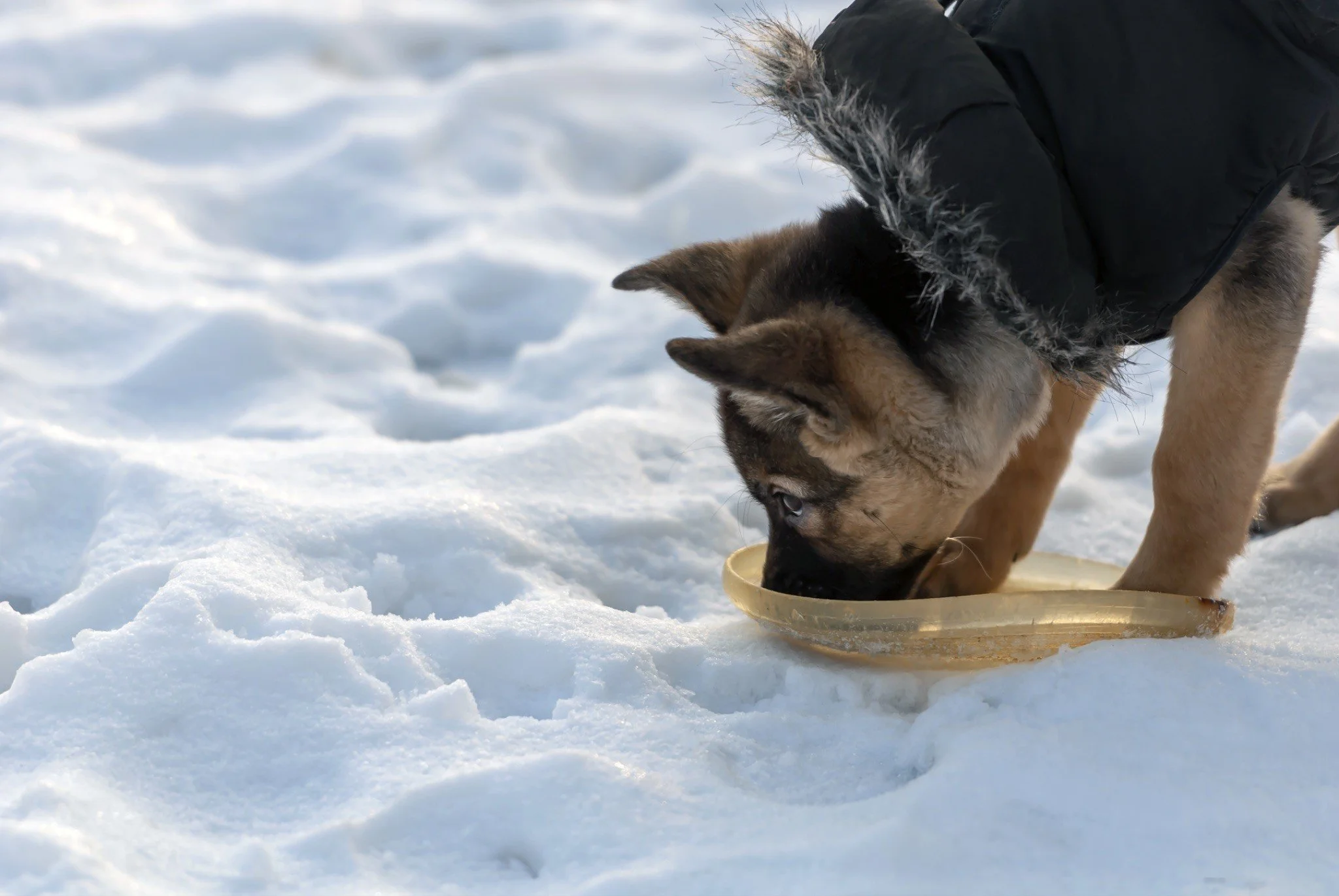
5. Hydration: Winter’s Most Overlooked Need
Dogs often drink less in winter because cool temperatures don’t trigger thirst — but their bodies actually lose more moisture due to heaters and dry indoor air.
Hydration affects:
● Digestion
● Coat quality
● Skin elasticity
● Energy
● Temperature regulation
Ways to help your dog stay hydrated:
● Add warm, pet-safe broth to meals
● Mix dry food with a little wet food
● Offer fresh water in multiple rooms
● Add water to kibble and let it soften
● Use hydrating treats (broth cubes, wet toppers)
Small changes make a big difference — especially for picky drinkers.
Winter Feeding Tips Every Dog Parent Should Know
1. Warm up their meals lightly
This boosts aroma and makes food easier to digest.
2. Rotate proteins
Each protein offers different vitamins and minerals — a great way to cover multiple nutritional bases.
3. Schedule indoor enrichment
Puzzle feeders, snuffle mats, hide-and-seek treats, and short training sessions help maintain muscle tone when outdoor time decreases.
4. Watch for subtle winter signals
Winter can mask nutritional needs behind signs like:
● Dry or flaky skin
● Extra shedding
● Dull coat
● Lower energy
● Drinking less water
● Stiffness after naps
These are often nutrition-related before they are medical.
How to Support Your Dog’s Winter Health Without Changing Their Entire Diet
Winter nutrition is about enhancing, not replacing.
Simple add-ins:
● A few freeze-dried fish bites weekly for Omega-3s
● Occasional organ meat for iron and Vitamin A
● A warmed meal to encourage appetite
● Broth or added water for hydration
● Natural chews for minerals and jaw exercise
● Protein add-ins during times of low activity
Small steps keep your dog comfortable, energetic, and protected throughout the season.
Final Thoughts
The five winter essentials for dogs are:
● Omega-3s for skin, coat, and joints
● Protein for warmth and energy
● Vitamin A for immunity
● Iron for stamina and blood health
● Hydration to support overall wellness
By making a few intentional choices each week, you can help your dog stay joyful, active, and healthy all winter long — naturally and safely.
Lecker Bites is passionate about natural, functional dog & cat treats made with carefully selected ingredients. With a strong focus on health, allergies, and fussy eaters, every article is written to help pet parents make better, more informed feeding choices – because treats should do more than just taste good.
Proudly recognised as a three-time award-winning natural pet treat brand.