
Introduction
Treats are a cornerstone of bonding, training, and daily joy with our pets. But for owners of sensitive dogs and cats, that simple joy can come with worry:
“Is this treat going to cause a reaction?” or “Am I giving too much?”
Finding the balance between rewarding effectively and overfeeding is the key to maintaining your pet's health and happiness.
In This Guide, You’ll Learn:
• The clear signs you might be over-treating your sensitive pet
• 5 practical rules for using treats safely without causing upset
• How to choose gentle, appropriate treats for dogs and cats
• Simple ways to adjust meals and track intake for perfect balance
Why “Mindful Treating” Matters for Sensitive Pets
For a pet with allergies, a delicate stomach, or a tendency to gain weight, treats aren't just extras—they're a direct part of their health equation.
Too many, or the wrong kind, can quickly lead to:
• Itchy skin
• Loose stools
• Lethargy
• Anxiety
The goal is to be intentional, so every treat reinforces well-being.
A Tale of Two Pets
Charlie (Dog):
This sensitive Border Collie was getting multiple training treats per session, leading to itchy paws and digestive issues. His owners switched to tiny pieces of a novel protein treat and saw improvements in weeks.
Luna (Cat):
This feline was given several rich snacks daily, resulting in digestive inconsistency. By reducing portion size drastically and using a single-protein treat, her digestion stabilized and her energy improved.
Your 5-Step Framework for Balanced, Safe Treating
1. The Golden Rule: Keep Portions Petite
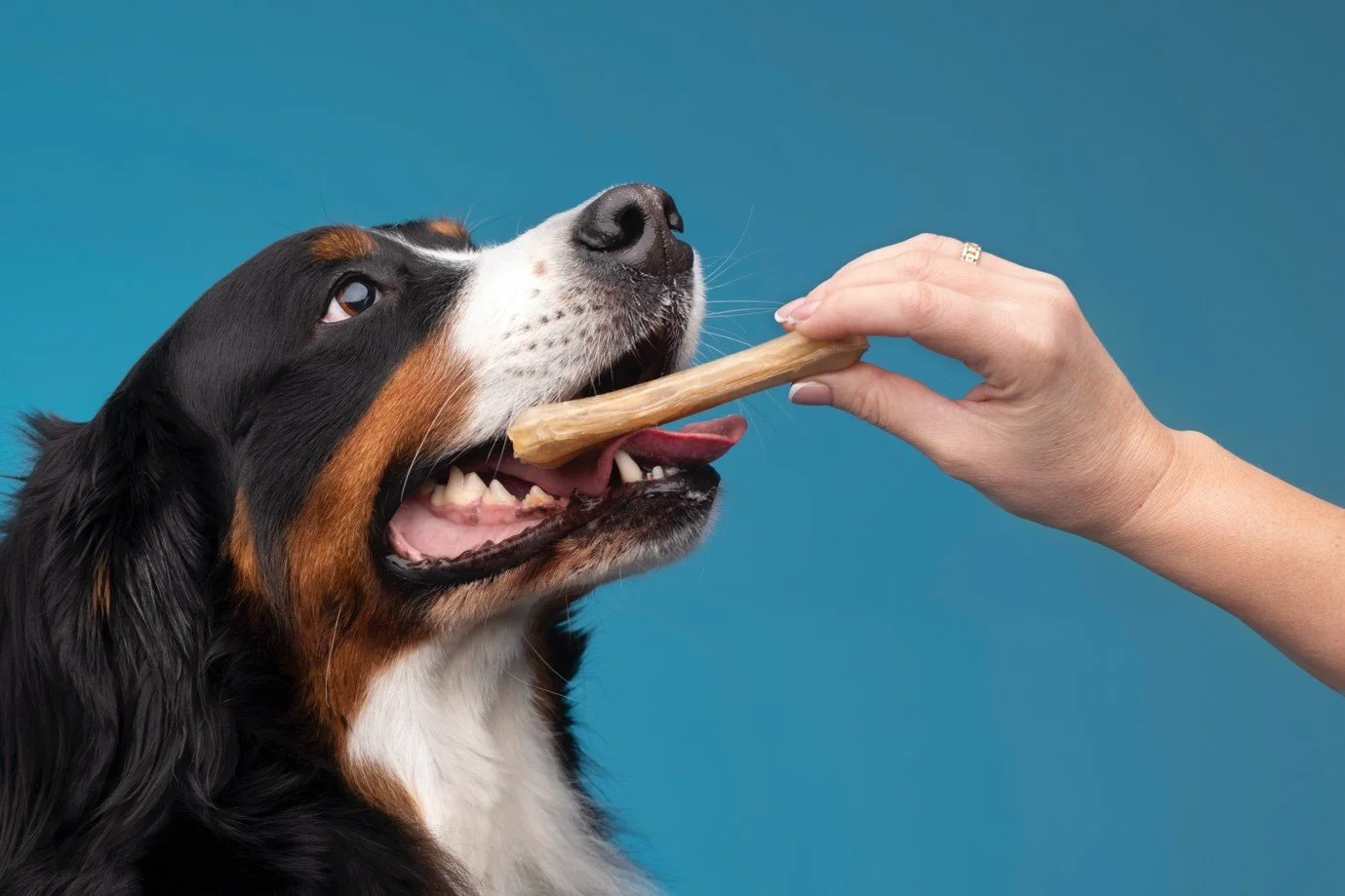
The size of the treat should match the size of the reward, not the size of the pet.
• For dogs: A piece no larger than a pea is sufficient for most training
• For cats: A tiny crumble or a shred of freeze-dried meat is plenty
Small portions prevent calorie overload and digestive distress.
For Dogs and Cats:
Our Picky Eater Approved treats are perfect for breaking into these tiny, motivating bites.
2. Choose Ingredients That Support, Not Challenge
Select treats that align with a sensitive system’s needs:
• Novel proteins (duck, venison, rabbit): Ideal for pets with suspected poultry or beef allergies
• Limited, recognizable ingredients: Avoid long lists with fillers like corn, wheat, or soy
• Species-appropriate: Always choose treats formulated specifically for dogs or cats
For Dogs and Cats:
See our philosophy in action with our Allergy-Friendly and Novel Protein collections.
3. Strategize Your Treats by Goal
• High-value treats: Reserve special proteins or textures for vet visits, nail trims, or critical recall training
• Everyday rewards: Use simpler, low-calorie options (or even a bit of their kibble) for daily good behavior
Founder’s Tip:
For pets with multiple sensitivities, finding 2–3 “safe” treats and rotating them can prevent boredom and new sensitivities.
4. Integrate Treats into the Daily Food Budget
To avoid accidental overfeeding, account for treats in your pet’s total daily calories.
• Reduce meals slightly: On a heavy training or treat day, subtract a small amount from their next regular meal
• Use kibble as treats: For dogs, portion out some daily kibble to use as rewards during a walk or training session
5. Be a Detective: Observe, Record, and Adapt
Keep a simple log for one week:
Date | Treat Given and Amount | Pet’s Reaction (Energy, Stools, Skin)
This will clearly show you what works and what doesn’t, turning worry into actionable knowledge.
FAQ: Your Questions on Balanced Treating, Answered
Q: How many treats per day are too many?
A: A solid guideline is that treats should not exceed 10% of your pet’s total daily calories. For sensitive pets, aiming for 5% is wiser. When in doubt, less is more.
Q: Can the same treats be used for dogs and cats?
A: No. Their nutritional needs differ significantly. Always use treats formulated for your pet’s species. The principles of simple ingredients and novel proteins, however, apply to both.
Q: What if my sensitive pet refuses a healthier treat option?
A: Patience is key. Try different textures (freeze-dried vs. soft-baked) or proteins.
For cats, crumble it over their food.
For dogs, try it when they are slightly more hungry.
Transition slowly by mixing with their old treat.
Q: My cat is overweight but loves treats. What can I do?
A: This is where tiny portions and meal integration are crucial. Use a portion of their daily wet food as a “treat” fed by hand or in a puzzle toy. Choose ultra-low-calorie options like freeze-dried meat dust or single-ingredient treats.
Conclusion
Finding the perfect treat balance is one of the most caring things you can do for your sensitive companion. It allows you to celebrate and train them without compromising their comfort.
While Lecker Bites specializes in creating these precise, gentle solutions for dogs, we believe these principles of mindful feeding empower all pet owners.
For your sensitive dog and cat, explore our full range of simple, intentional treats—crafted to make rewarding the healthy choice.
Paws and love,
Manuela & the Lecker Bites Pack
Lecker Bites is passionate about natural, functional dog & cat treats made with carefully selected ingredients. With a strong focus on health, allergies, and fussy eaters, every article is written to help pet parents make better, more informed feeding choices – because treats should do more than just taste good.
Proudly recognised as a three-time award-winning natural pet treat brand.