
Introduction
Traveling with your best friend should be an adventure, not a source of stress—for either of you. But for pets with sensitive stomachs, skin, or nerves, a change in routine can feel overwhelming.
As someone who’s navigated many miles with sensitive companions, I can tell you: the secret to a smooth journey lies not in luck, but in loving preparation.
In This Guide, You’ll Pack:
• The right food and treats to prevent digestive flare-ups
• Comfort essentials to create a safe, familiar space anywhere
• A simple plan for hydration, breaks, and observation
• Your emergency kit checklist for total peace of mind
Why Preparation Is Your Best Travel Tool
For a sensitive pet, travel is a symphony of new sights, smells, and routines. Without a plan, this can quickly tip into anxiety, motion sickness, or allergic reactions.
But with a few trusted items from home, you can build them a “safe base” on the go, turning potential stress into confident curiosity.
A Quick Story
Bella, a sensitive Cocker Spaniel, used to tremble and drool on car rides. Her breakthrough came when her owner packed her usual venison treats, a favorite blanket, and committed to regular breaks.
Bella learned that the car could lead to fun, not just fear. The same principles soothe anxious cats—familiarity is their security.
The 7 Must-Haves for Your Sensitive Pet’s Travel Bag
1. The Foundation: Familiar Food & Treats
Never change diet on travel day. Sudden switches are the top cause of travel-related digestive upset. Pack enough of their regular meals and, crucially, their trusted treats.
• Why it works: Consistency avoids allergic reactions and stomach issues
For Dogs and Cats:
Pack their go-to snacks from our Allergy-Friendly or Novel Protein lines—known quantities that won’t surprise their system.
2. Tiny, High-Value Rewards
Small, potent treats are your best tool for rewarding calm behavior, distracting from noises, or encouraging hydration.
• Why it works: Tiny portions prevent overfeeding while providing motivation and reassurance
For Dogs and Cats:
Our Picky Eater Approved treats are perfect travel-sized motivators.
3. Hydration Station
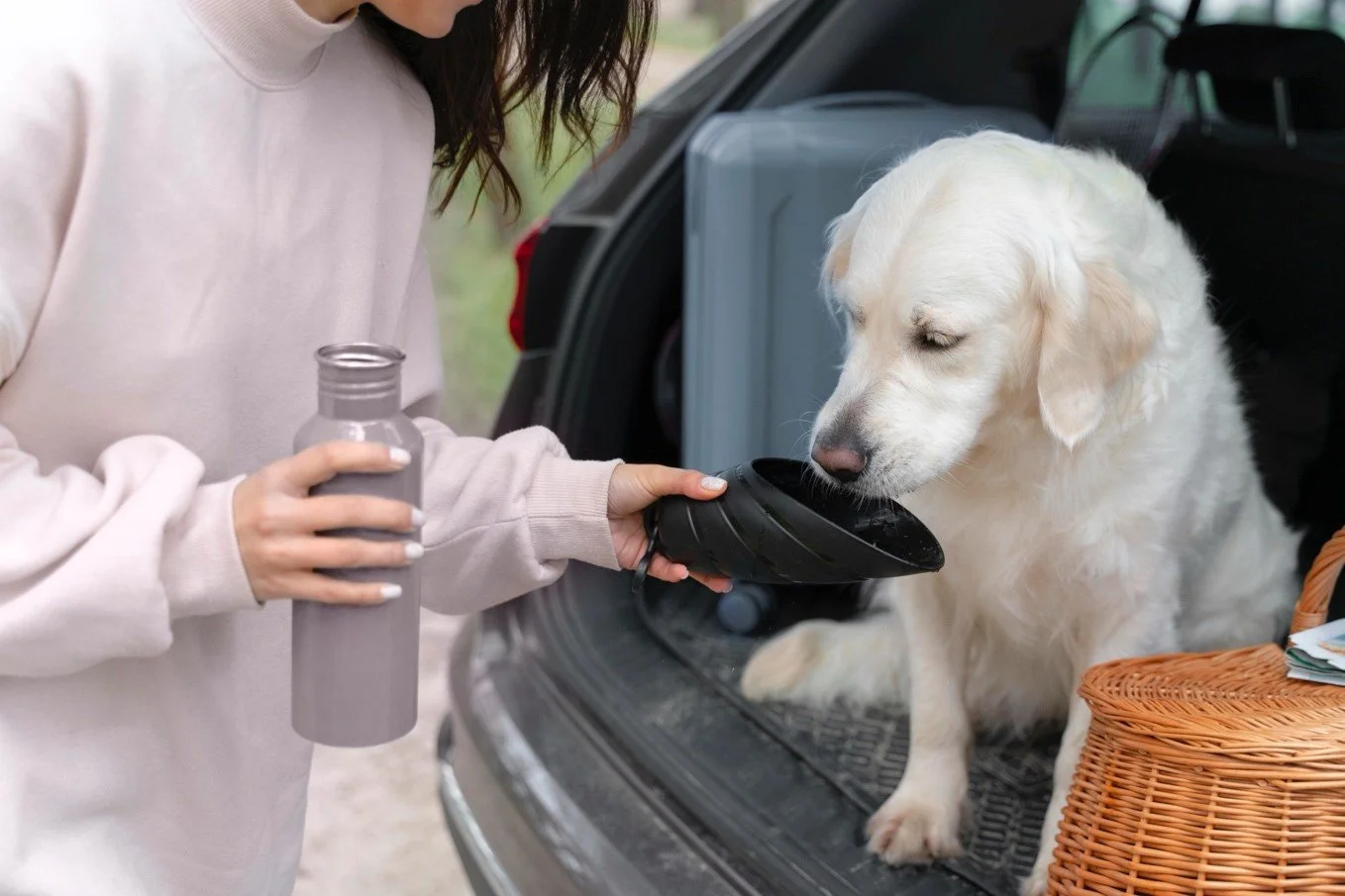
Bring your pet’s own water and a familiar bowl. Strange water can contain minerals that upset sensitive stomachs.
• Pro Tip: For cats, try a portable water fountain or offer water from a familiar lid to encourage drinking.
4. The Comfort of “Home”
A worn t-shirt with your scent, their usual bed, or a favorite toy acts as an anxiety-reducing anchor in new environments.
• Why it works: Smell is your pet’s primary sense. Familiar scents are profoundly calming.
5. Airtight, Travel-Safe Containers
Keep treats and food fresh and protected from humidity, smells, and pests with sealed containers.
• Why it works: Preserves freshness and prevents spoilage that could sicken a sensitive pet.
6. A Plan for Breaks & Observation
Schedule stops to check for subtle signs of stress:
• Excessive panting (dogs)
• Hiding or refusing water (cats)
• Licking paws
• Whining

Action Step:
Use breaks for a calming sniffari (for dogs) or a quiet cuddle session in the carrier (for cats).
7. The “Just-In-Case” Emergency Kit
Hope for the best, prepare for the worst. Pack:
• A few days’ extra food and treats
• Any regular medications or supplements
• Pet-safe wipes and a small towel
• A basic pet first-aid kit and your vet’s contact info
FAQ: Your Top Travel Concerns, Answered
Q: Can I ever give my pet a new treat while traveling?
A: It’s strongly recommended to avoid it. Travel is already a variable. Introducing a new food risk is unnecessary. Stick to their known, safe favorites.
Q: My cat yowls the entire car ride. What can I do?
A: Beyond comfort items, condition them to the carrier weeks before travel. Make it a safe, cozy den at home. For the journey, consult your vet about natural calming aids or, in severe cases, safe sedation options.
Q: How do I handle meals if we’re crossing time zones?
A: Keep feeding on your pet’s internal “home” clock as much as possible for the first few days to minimize digestive disruption. Gradual adjustment is easier on their system.
Q: Are some treats better for motion sickness?
A: Yes. Offer a very small, bland treat (like a bit of plain boiled chicken or a single-ingredient treat) about an hour before travel. Avoid large, rich meals right before departure.
Conclusion
Travel with your sensitive pet is an act of love and partnership. By packing with their unique needs in mind, you’re not just bringing supplies—you’re bringing their comfort zone along for the ride.
Before you hit the road, stock up on your dog’s travel-tested, sensitive-friendly favorites from our Travel-Ready Treats Collection.
Here’s to happy trails and calm tails!
Paws and love,
Manuela & the Lecker Bites Pack