
Why Is My Cat Suddenly Scratching Everything?
Introduction
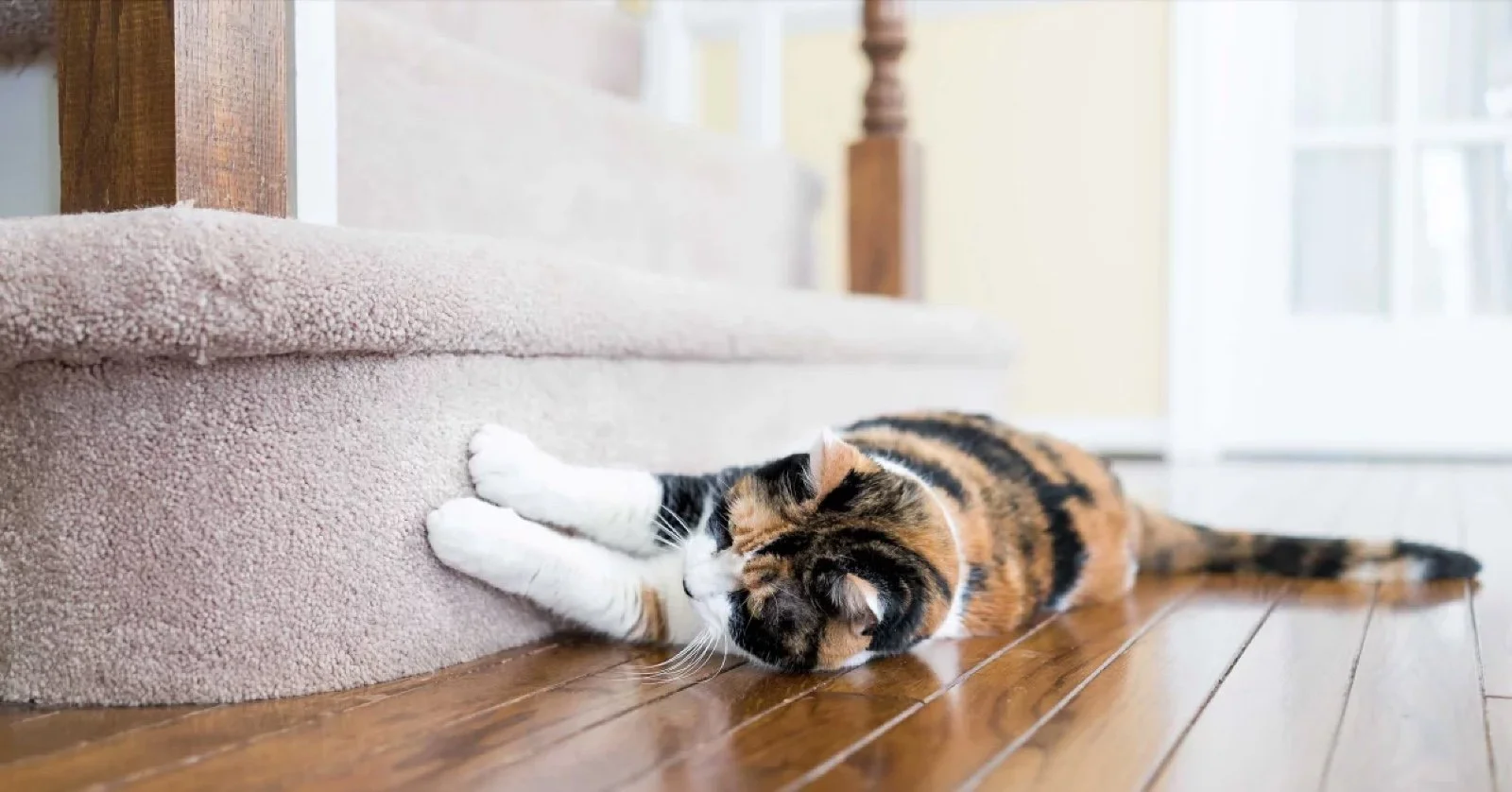
If your cat has suddenly started scratching furniture, carpets, or even walls, it can feel frustrating — especially if this behaviour is new. One day they seem perfectly content, and the next, your sofa corner becomes their new favourite scratching post.
But here’s the most important thing to understand:
👉 Your cat isn’t being difficult.
👉 Your cat is communicating.
Cats rarely do things “for no reason.” When a behaviour suddenly changes, there’s usually something behind it — physical, emotional, or environmental. The key is learning what they’re trying to tell you.
Scratching Is Natural (and Necessary)
Before looking at why scratching may suddenly increase, it’s important to understand one simple fact: scratching is not bad behaviour. It’s completely natural and actually essential for cats.
Cats scratch to:
• Maintain healthy claws by removing old outer layers
• Stretch their muscles and spine
• Mark territory visually and through scent glands in their paws
• Release built-up tension, excitement, or stress
• Feel secure in their environment
For cats, scratching is instinctive — much like chewing is for dogs or stretching is for humans.
👉 The goal is not to stop scratching altogether — it’s to understand why it has changed.
When Scratching Becomes a Problem
Scratching becomes a concern when it suddenly increases or changes pattern.
Watch for signs like:
• Your cat scratching far more often than usual
• Targeting unusual places like walls, carpets, or door frames
• Scratching aggressively or frantically
• Combining scratching with other behavioural changes
👉 That’s when scratching becomes a signal, not just a habit.
Your cat may be responding to something deeper.
The Most Common Causes
1. Stress or Environmental Change
Cats are incredibly sensitive creatures. Even small changes that seem insignificant to us can feel huge to them.
Triggers may include:
• New people in the home
• Another pet arriving
• A visitor staying over
• Changes in feeding routine
• Moving furniture
• Home renovations
• Different smells in the home
• Changes in your own schedule or mood
When cats feel unsettled, scratching often becomes a coping behaviour. It helps them feel grounded and back in control.
👉 Scratching can be stress relief.
2. Territory Insecurity
Cats are territorial by nature. Scratching leaves both a visible mark and scent signals from glands in their paws. It’s their way of saying:
“This is my space. I feel safe here.”
If your cat feels uncertain, they may:
• Scratch more frequently
• Focus on prominent areas like sofas, hallways, rugs, or doorways
• Return repeatedly to the same spots
This behaviour is often about reassurance, not destruction.
3. Boredom or Lack of Stimulation
Indoor cats especially can become under-stimulated. Without enough physical and mental engagement, scratching can become an outlet for pent-up energy.
Signs include:
• Restlessness
• Sudden bursts of activity (“zoomies”)
• Increased destructive behaviour
• Attention-seeking behaviour
• Chasing imaginary things
• Night-time hyperactivity
A bored cat will often make their own entertainment — and your furniture may become part of it.
4. Physical Discomfort or Sensitivity
Sometimes increased scratching is linked to how your cat feels physically.
This may include:
• Skin irritation
• Dry skin
• Digestive discomfort
• Food sensitivities
• Mild allergies
• Internal imbalance that creates general discomfort
👉 This is often overlooked.
A cat that doesn’t feel comfortable internally may express that discomfort through behaviour changes externally.
Signs It May Be More Than Behaviour
Look out for:
• Changes in appetite
• Increased hiding
• Restlessness
• Over-grooming
• Sudden clinginess
• Irritability
• Personality changes
• Sleeping more or less than usual
👉 These can indicate something deeper is going on.
How to Support Your Cat (Practical Steps)
Create Stability
Cats love routine. Predictability makes them feel safe.
Try to:
• Keep feeding times consistent
• Maintain daily routines
• Avoid sudden household changes where possible
• Create quiet resting spaces
A calm home often creates a calmer cat.
✔ Offer Better Alternatives
Redirect scratching rather than punishing it.
Provide:
• Scratching posts in important areas
• Horizontal scratch pads
• Different textures like sisal, cardboard, or wood
• Vertical climbing spaces
The best scratching post is the one placed exactly where your cat already wants to scratch.
✔ Increase Engagement
Short, regular stimulation helps enormously.
Try:
• Interactive toys
• Daily play sessions
• Puzzle feeders
• Hide-and-seek treats
• Window perches
• Rotating toys to keep things interesting
Even 10–15 minutes daily can make a noticeable difference.
✔ Look at Nutrition
This is often underestimated.
Diet can influence:
• Stress levels
• Skin health
• Digestive comfort
• Energy regulation
• Overall wellbeing
👉 A cat that feels good internally often behaves differently externally.
Simple, clean ingredients can help support that internal balance.
The Bigger Picture
Scratching is rarely the real problem.
It’s usually a symptom of:
• Stress
• Imbalance
• Boredom
• Insecurity
• Unmet needs
• Physical sensitivity
When you address the cause, the behaviour often improves naturally.
Final Thoughts
Instead of trying to stop your cat from scratching, try to understand why it has changed.
That small shift in perspective makes a huge difference.
Once you understand the reason, you can support your cat in a way that feels natural — for both of you.
A happy cat still scratches.
A stressed cat scratches differently.
That difference matters.
A Small Note From Us
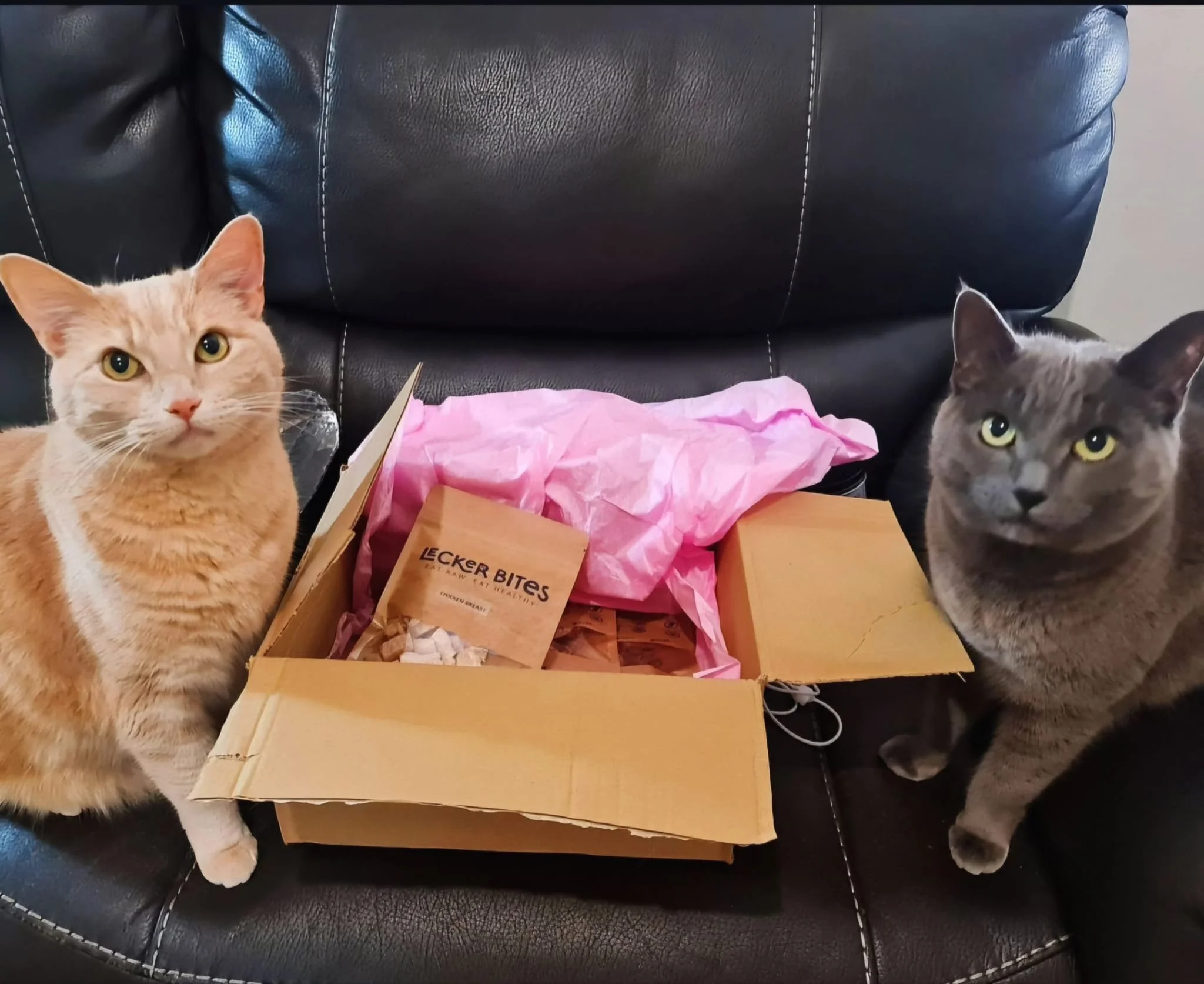
At Lecker Bites, we often see that cats thrive on simplicity — simple routines, simple environments, and simple, clean nutrition.
If you’re reviewing your cat’s treats, choosing natural, single-protein options can be a gentle way to support overall balance, especially for sensitive or selective cats.
👉 Try something special: FREEZE-DRIED SCALLOPS