Why Your Pet Is Secretly Bored Out of Their Mind — And How Just 10 Minutes Can Change Everything
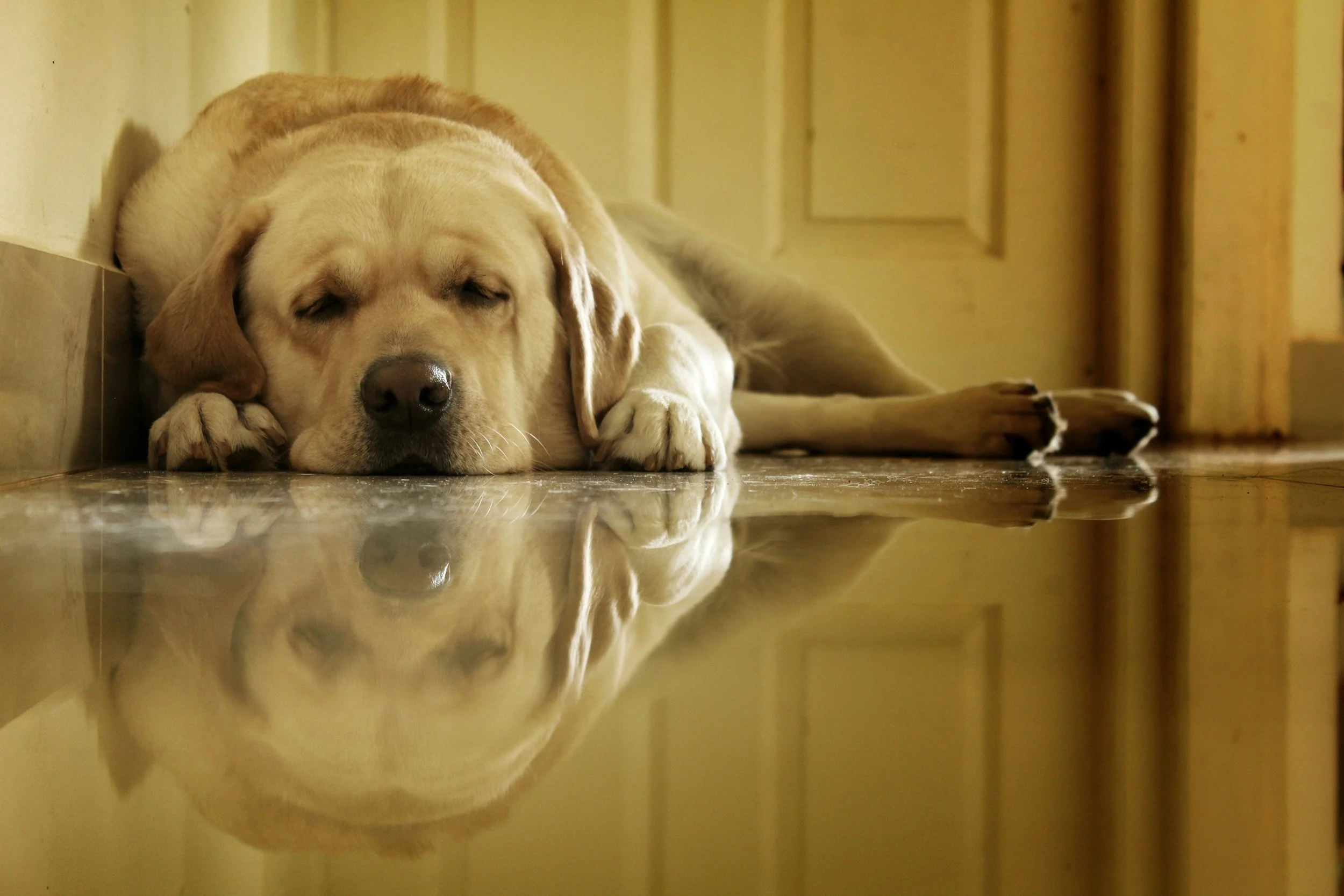
Have you ever come home from a long walk with your dog, only to find them racing around the house five minutes later?
Or perhaps your indoor cat suddenly decides that midnight is the perfect time to sprint through the living room, climb the furniture or knock your favourite ornament onto the floor.
If that sounds familiar, you're certainly not alone.
Many pet owners assume that a tired pet simply needs more physical exercise. But sometimes, what your dog or cat actually needs isn't another long walk or another game of chase.
They need to use their brain.
A Busy Body Doesn't Always Mean a Tired Mind
We often measure exercise by distance and duration.
A two-hour walk sounds impressive. A long game of fetch must mean your dog will sleep for the rest of the afternoon.
But physical exercise and mental stimulation aren't quite the same thing.
Physical activity keeps your pet's body moving. Mental enrichment gives them opportunities to think, investigate, solve problems and use natural behaviours.
And for many pets, that's just as important.
A dog can come home physically tired but still mentally under-stimulated. Similarly, an indoor cat may have plenty of space to move around but very few opportunities to express their natural hunting instincts.
This can sometimes show up as behaviours we find frustrating:
Excessive attention-seeking
Destructive behaviour
Restlessness
Constant barking or meowing
Scratching furniture
Racing around the house
The infamous late-night zoomies
These behaviours don't automatically mean your pet is bored, of course. But they're worth looking at alongside the amount of mental stimulation your pet gets each day.
Your Dog's Greatest Superpower Isn't Speed — It's Their Nose
Dogs experience the world through scent in a way we can barely imagine.
Every sniff gives them information.
Who has been here?
How recently?
Was it another dog?
A person?
A rabbit?
Something completely new?
That's why allowing your dog to sniff and investigate on walks can be incredibly enriching.
A walk doesn't always need to be about covering the greatest possible distance. Sometimes, slowing down and letting your dog explore every interesting smell is exactly what they need.
You can also bring this instinct indoors with simple scent games.
Hide a few treats around a safe area of your home and let your dog search for them. Start with easy hiding places and gradually make the game more challenging as they understand what they're supposed to do.
For your dog, finding the reward is part of the fun.
Cats Haven't Forgotten They're Hunters
Even the most pampered indoor cat still has natural hunting instincts.
In the wild, cats don't simply walk up to a bowl of food and eat whenever they feel like it.
They stalk.
They watch.
They wait.
They chase.
They catch.
Then they eat.
Domestic cats may have their meals provided for them, but their instincts haven't disappeared.
When everything happens in exactly the same way every day, they may have fewer opportunities to explore these natural behaviours.
This is where enrichment can make a difference.
Try hiding a few small treats around a room, placing them in safe locations at different heights, or encouraging your cat to search around a sturdy cat tree.
The aim isn't to make feeding difficult.
It's simply to give them something to do.
You Don't Need Expensive Toys
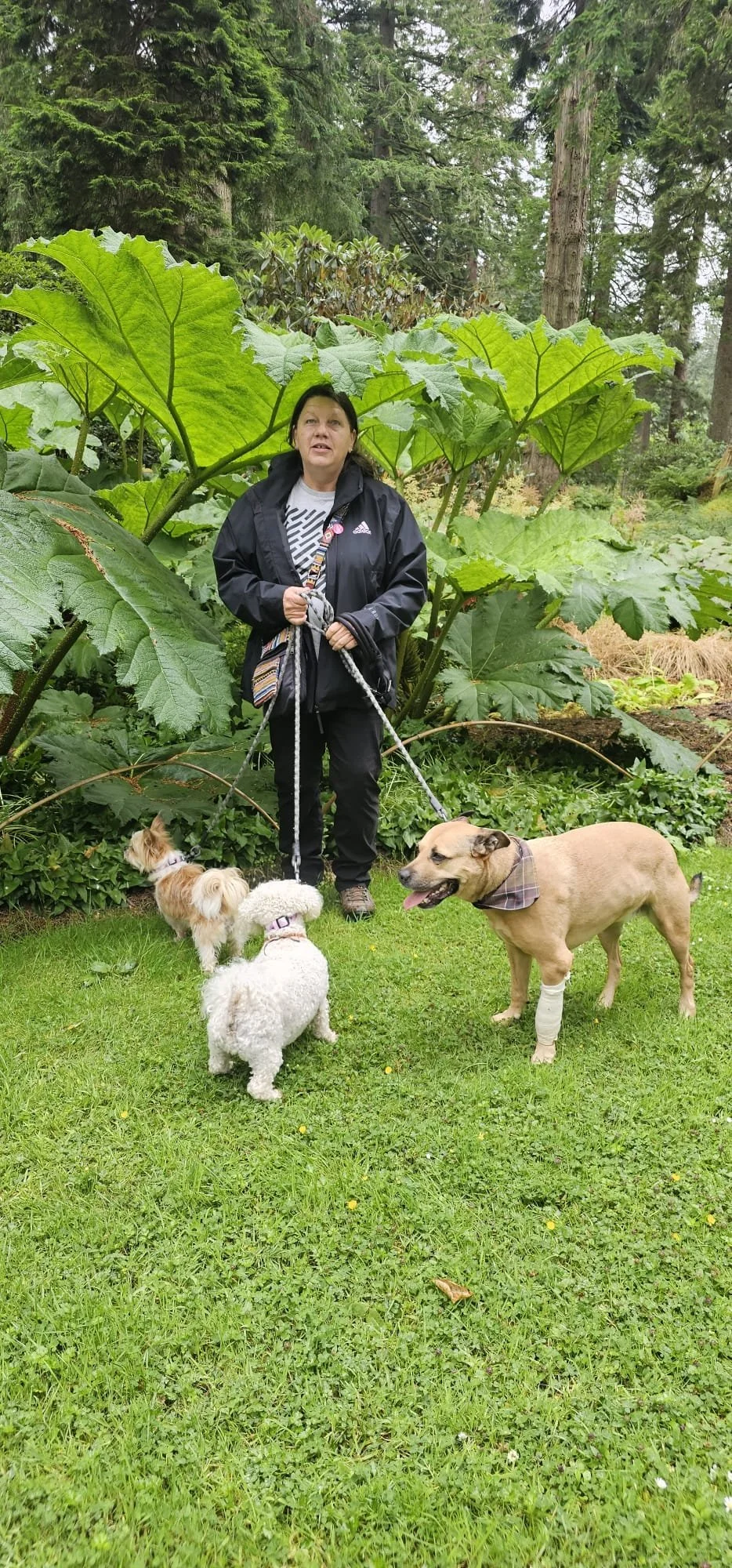
The good news is that enrichment doesn't have to mean buying complicated puzzle toys or expensive gadgets.
Some of the simplest activities can be incredibly effective.
🌿 Scatter Treats in the Grass
On a safe outdoor surface, scatter a few treats and let your dog sniff them out.
This encourages natural searching behaviour and turns snack time into an activity.
🏡 Create a Treasure Hunt
Hide a few treats around a safe area of your home.
Start somewhere obvious, then gradually make the hiding places more interesting.
🧺 Use an Old Towel
Place a few treats inside a towel and loosely roll or fold it.
Your pet can use their nose and paws to work out how to reach the reward.
Always supervise this type of activity and make sure your pet doesn't chew or swallow pieces of the towel.
📦 Let Them Investigate a Cardboard Box
An empty cardboard box can become a surprisingly interesting enrichment activity.
Add a few treats and allow your pet to investigate at their own pace.
🌳 Make the Garden a Treasure Hunt
Use several safe hiding spots around the garden and let your dog search for their rewards.
Changing the locations keeps the activity interesting.
🐱 Create a Cat Hunt
For cats, place tiny treats in different safe locations around the room or on a sturdy cat tree.
Encourage them to explore, climb and search rather than simply presenting the reward directly to them.
The Goal Isn't to Make It Difficult
Enrichment isn't about creating a complicated challenge that leaves your pet frustrated.
The goal is to encourage natural behaviour.
Let your dog sniff.
Let your cat stalk.
Let them investigate.
Let them work things out.
If an activity is too difficult, make it easier. If your pet loses interest, try something different.
The best enrichment is something your individual pet actually enjoys.
Why Treats Can Be Part of Enrichment
At Lecker Bites, we've always believed that treats can be about more than simply giving your pet something tasty.
They can be used to reward, encourage, train and enrich.
Freeze-dried treats are particularly convenient for enrichment games because they're lightweight, easy to portion and simple to hide.
And when you're choosing treats for these activities, knowing exactly what you're giving your pet matters.
Single-ingredient treats make it easy to keep things simple and transparent.
You don't need to turn every enrichment activity into a complicated feeding routine. A few appropriately sized treats can be enough to create a fun little challenge.
Sometimes 10 Minutes Is Enough
You don't need to completely change your pet's daily routine.
Try setting aside just 10 minutes.
Ten minutes of sniffing.
Ten minutes of searching.
Ten minutes of exploring.
Ten minutes of figuring something out.
That small amount of intentional enrichment can turn an ordinary treat into an activity that engages your pet's natural instincts.
And perhaps the best part?
You get to watch them enjoy it.
Seeing your dog proudly discover a hidden treat or watching your cat quietly stalk their next reward isn't just entertaining.
It's a moment of connection.
The Greatest Reward Isn't Always the Treat
Sometimes we become so focused on giving our pets the best food, the longest walks and the most comfortable beds that we forget something equally important:
They need opportunities to be themselves.
Dogs need to sniff.
Cats need to explore.
Both need opportunities to think, investigate and interact with the world around them.
So next time you reach for the treat bag, don't always hand one over immediately.
Hide it.
Scatter it.
Let them search.
Let them think.
Let them enjoy the journey.
Because sometimes, the greatest reward isn't the treat itself.
It's finding it. 🐾
Ready to Turn Treat Time Into Adventure Time?
Discover the Lecker Bites range of natural freeze-dried treats for dogs and cats—perfect for enrichment games, training and everyday rewards.
Always supervise enrichment activities and choose treats appropriate for your pet's size, age and dietary needs.