

A Very British Problem: The “Chicken & Beef” Loop 🇬🇧
In the UK, we are famously a nation of dog lovers. But we are also creatures of habit. If you look into the average British dog’s bowl, it is almost always filled with chicken, beef, turkey or lamb. We stick to what feels safe and familiar.
The issue is not that these proteins are bad. The issue is repetition.
Many dogs eat the same protein source every single day for years. Over time, the immune system can begin to react to constant exposure. That “perfectly good” chicken-based food may suddenly be linked to itchy paws, ear irritation, loose stools, or persistent scratching.
If your dog is on a high-quality food but still struggling with skin or digestive issues, it may not be about quality. It may simply be about over-exposure.
This is where novel proteins come in.
What You’ll Learn in This Article
✅ What novel proteins are
✅ Why common proteins can cause problems
✅ Which rare meats are good options
✅ Benefits for allergic & sensitive dogs
✅ Why freeze-dried single-ingredient treats are ideal
✅ How to test a new protein safely
✅ Practical feeding tips
✅ How to use novel proteins as a smart treat strategy
🧬 What Are Novel Proteins?
Novel proteins are meat sources your dog has rarely — or never — eaten before. Because the immune system has had little exposure to them, they are often less likely to trigger a reaction.
Common examples include:
• Rabbit
• Venison / game meats
• Ostrich
• Goat
• Horse
• Selected fish species
• Scallops
The key principle is simple: the newer the protein is to your dog’s diet, the lower the likelihood of an immune overreaction in many cases.
⚠️ Why Do Common Proteins Cause Issues for Some Dogs?
Most dogs in the UK are fed the same few proteins for years:
• Chicken
• Beef
• Turkey
• Lamb
Repeated long-term exposure can, in some dogs, lead to sensitivities or intolerances.
Typical signs include:
• Itchy skin or paw licking
• Recurring ear irritation
• Dull coat or skin flare-ups
• Soft stools or digestive upset
• Gas or bloating
• Reduced appetite or picky eating
Not every dog develops problems. But when they do, introducing protein variety can be a very helpful step.
🌿 Why Novel Proteins Can Help
Rare protein sources may support sensitive dogs in several ways:
🐾 Lower allergy likelihood
Less prior exposure often means fewer immune reactions.
🐾 Useful for elimination phases
When narrowing down food triggers, novel proteins are often used to identify safe options.
🐾 Gentler digestion
Many owners report more stable stools and fewer digestive issues after switching.
🐾 Helpful for rotation
Occasional protein rotation can reduce long-term over-exposure.
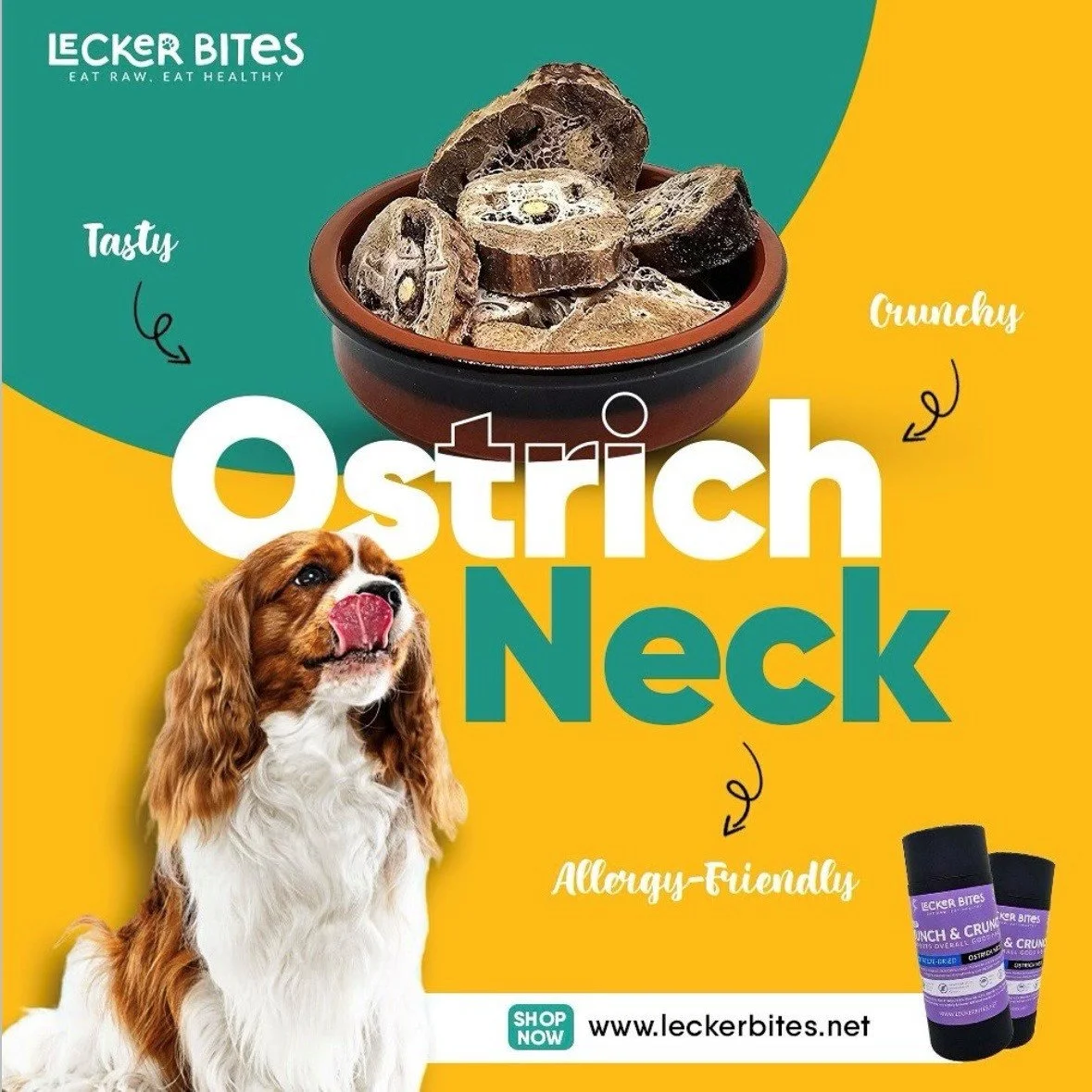
❄️ Why Freeze-Dried Single-Ingredient Treats Are Ideal
When testing a new protein, simplicity matters.
Freeze-dried, single-ingredient treats are one of the cleanest ways to introduce something new.
Benefits include:
✅ Only one protein source
✅ No hidden mixed meats
✅ No fillers or binders
✅ Easy to monitor reactions
✅ Strong natural aroma (great for picky dogs)
✅ Nutrients largely preserved
This clarity makes it much easier to observe how your dog responds.
🧪 Test New Proteins First as Treats — Not Main Food
A practical, lower-risk method is to introduce novel proteins through treats before changing the entire diet.
Simple testing approach:
1️⃣ Choose one new protein only
2️⃣ Feed small amounts
3️⃣ Observe for 7–14 days
4️⃣ Watch skin, ears, stool and behaviour
5️⃣ Avoid introducing other new foods at the same time
This allows you to gather clear feedback without overwhelming your dog’s system.
🍽️ Helpful for Picky Eaters Too
Novel proteins are often:
• More aromatic
• More flavourful
• More interesting in texture
This makes them particularly useful for:
• Picky eaters
• Low-appetite dogs
• Stressed dogs
• Senior dogs
Freeze-dried treats can also be crumbled and used as a meal topper, adding interest without fully changing the diet.
🔄 How Often Should You Rotate Proteins?
There is no universal rule.
General guidance:
Sensitive dogs → introduce slowly and cautiously
Stable dogs → occasional rotation may be beneficial
Suspected allergies → structured testing only
The most important rule: never introduce multiple new proteins at once.
🐾 Treat Strategy Tip
Using novel proteins specifically as treats is a smart approach:
• Supports training rewards
• Allows controlled exposure
• Adds dietary variety
• Keeps ingredients transparent
• Fits sensitive feeding plans
Single-ingredient freeze-dried treats are especially suited for this strategy because you always know exactly what you are feeding.
✅ Conclusion — When Novel Proteins Make Sense
Novel proteins can be particularly helpful for:
• Dogs with suspected allergies
• Sensitive digestion
• Recurring skin or ear issues
• Picky eaters
• Elimination trials
• Careful protein rotation
Used thoughtfully and introduced gradually, rare protein sources offer a practical and gentle way to explore better tolerance.
Sometimes the solution is not adding more ingredients.
Sometimes it is simply changing the protein.