
Scallops for Dogs & Cats — and Why This Ocean Delicacy Is So Special
A Rare, Functional Treat with Surprising Natural Benefits
When most people hear the word scallops, they picture elegant seafood dishes — not pet treats. Yet scallops are one of the most fascinating and underrated protein sources in both human and animal nutrition.
They are rare. Naturally nutrient-dense. Highly digestible. And for most dogs and cats, completely new.
That unique combination makes scallops not just an indulgence — but a genuinely functional protein worth understanding.
Let’s explore what makes this ocean delicacy so special — and why more thoughtful pet parents are discovering its benefits.
What Are Scallops, Exactly?
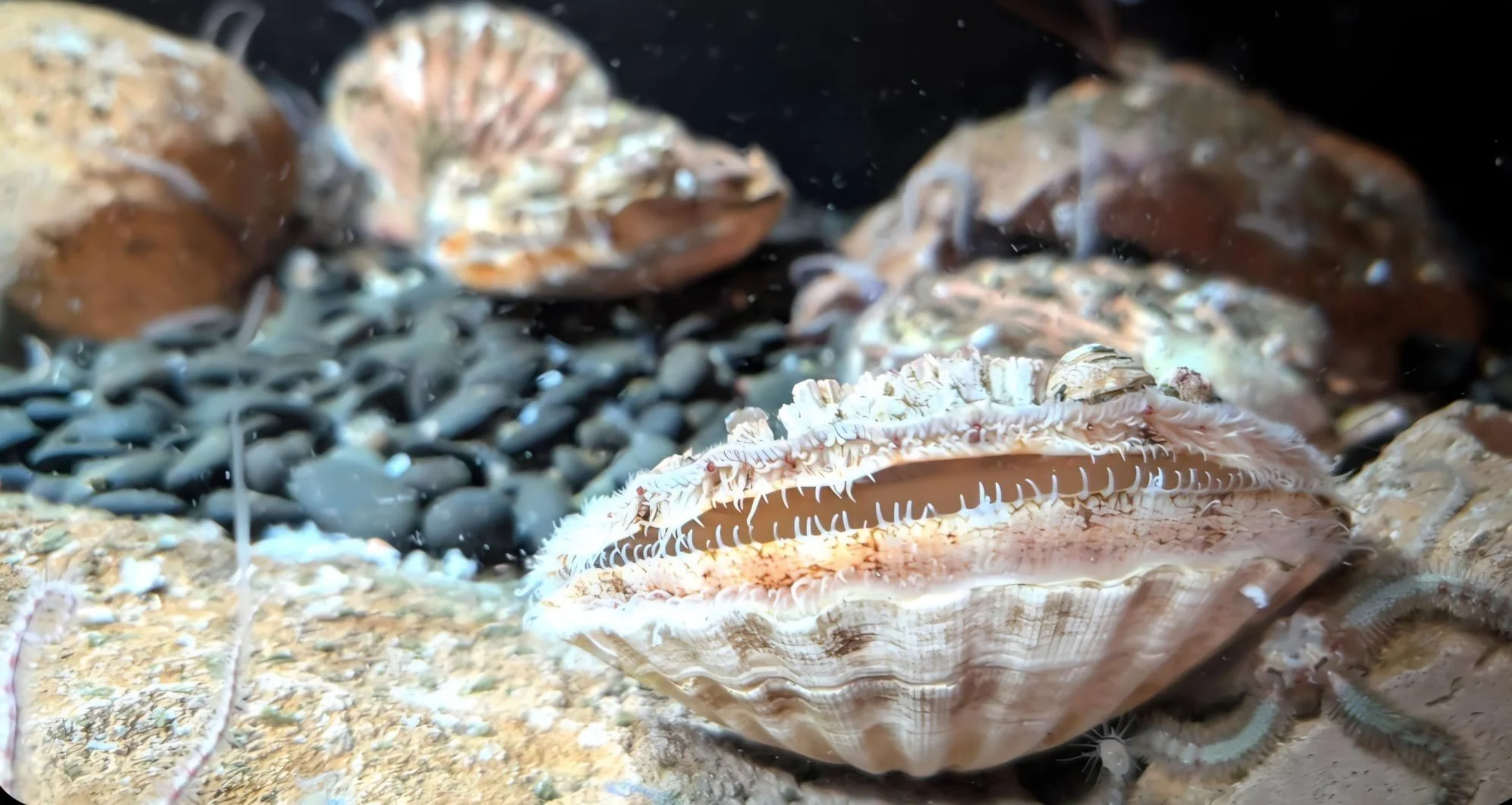
Scallops are marine shellfish that live on the ocean floor. Unlike mussels or oysters, scallops have the unusual ability to swim. They move by rapidly opening and closing their shells, propelling themselves through the water to escape danger.
A few fascinating facts:
• They belong to the mollusk family
• They live in clean, cold ocean waters
• They are filter feeders, drawing nutrients from water
• They can have dozens of tiny blue eyes along the shell edge
• They move by jet propulsion
Because scallops are sensitive to water quality, they are often associated with clean marine environments. This is one reason they are considered a premium seafood in human nutrition.
Why Scallops Are Considered a Nutritional Delicacy
In human diets, scallops are valued for being both light and nutritionally powerful.
Naturally, they are:
• High in quality protein
• Low in fat
• Low in connective tissue (which supports digestibility)
• Rich in minerals such as selenium, zinc, and magnesium
• A natural source of vitamin B12
• Lower in calories compared to many traditional meats
This combination — high protein, low fat, and strong micronutrient density — is relatively rare.
When gently freeze-dried, these qualities are preserved without needing artificial preservatives or fillers. The result is a clean, concentrated protein source that retains its natural character.
Why Scallops Are a True Novel Protein for Pets
From a pet nutrition perspective, scallops fall into the category of novel proteins — meaning most dogs and cats have never been exposed to them before.
This matters because long-term repeated exposure to common proteins like chicken or beef can sometimes contribute to food sensitivities in certain animals.
Introducing a rare protein like scallops can be beneficial for:
• Sensitive dogs
• Allergy-prone pets
• Elimination-style feeding plans
• Pets bored with standard flavours
• Owners seeking protein rotation

Because scallops are rarely used in mainstream pet treats, they are often well tolerated simply due to their novelty.
Digestibility: The Hidden Strength of Scallops
One of the lesser-known advantages of scallops is their soft muscle structure.
Compared to many land meats, scallop muscle fibers are shorter and finer. This can support:
• Easier breakdown during digestion
• Faster nutrient availability
• Less digestive workload
• Suitable small-portion feeding
For pets with delicate stomachs, this can make scallops a valuable high-reward option — particularly when used thoughtfully rather than in large quantities.
Suitable for Both Dogs and Cats
Many specialty treats are designed primarily for dogs. Scallops, however, work beautifully for both species.
They are:
• Naturally aromatic (important for cats)
• Protein-dense
• Easy to portion
• Crumble-friendly for training rewards
• Single-ingredient when properly prepared
For multi-pet households, that makes scallops a practical and elegant solution.
Luxury vs. Purpose — A Smarter Treat Philosophy
Scallops are sometimes described as a “luxury” treat. But luxury in pet nutrition should not mean indulgence for the sake of it. It should mean intention.
A smarter treat philosophy focuses on:
• Fewer treats
• Cleaner ingredients
• Higher nutritional value
• Better digestibility
• Meaningful reward moments
A small portion of a rare, high-quality protein can often provide more value than a handful of low-grade snacks filled with additives.
In that sense, scallops are not about extravagance. They are about quality over quantity.
When Do Scallops Make Sense?
Scallop treats may be especially suitable for:
• Dogs and cats with suspected protein sensitivities
• Pets needing protein rotation
• High-value training rewards
• Picky eaters who respond to aroma
• Owners prioritising single-ingredient options
As with any new protein, introduction should be gradual. Start with small portions and observe tolerance over several days.
A Rare Treat with Real Substance
Scallops are not just unusual. They represent a different approach to pet treating — one built on:
• Purity
• Novelty
• Digestibility
• Nutritional density
For pet parents seeking something genuinely different, scallops offer a thoughtful alternative to the everyday protein routine.
Sometimes the most interesting options come from unexpected places — including the ocean floor.