What Your Pet's Sleeping Position Says About Them
Introduction
Have you ever looked over at your sleeping dog or cat and wondered what they're dreaming about—or why they always sleep in the exact same position?
While a pet's sleeping position can't tell us everything about their personality, it can offer fascinating clues about how they feel in their environment. From curled-up snoozers to dramatic bed hogs, the way our pets sleep often reflects their comfort, confidence and natural instincts.
Let's take a closer look at some of the most common sleeping positions and what they might mean.
The Curled-Up Ball
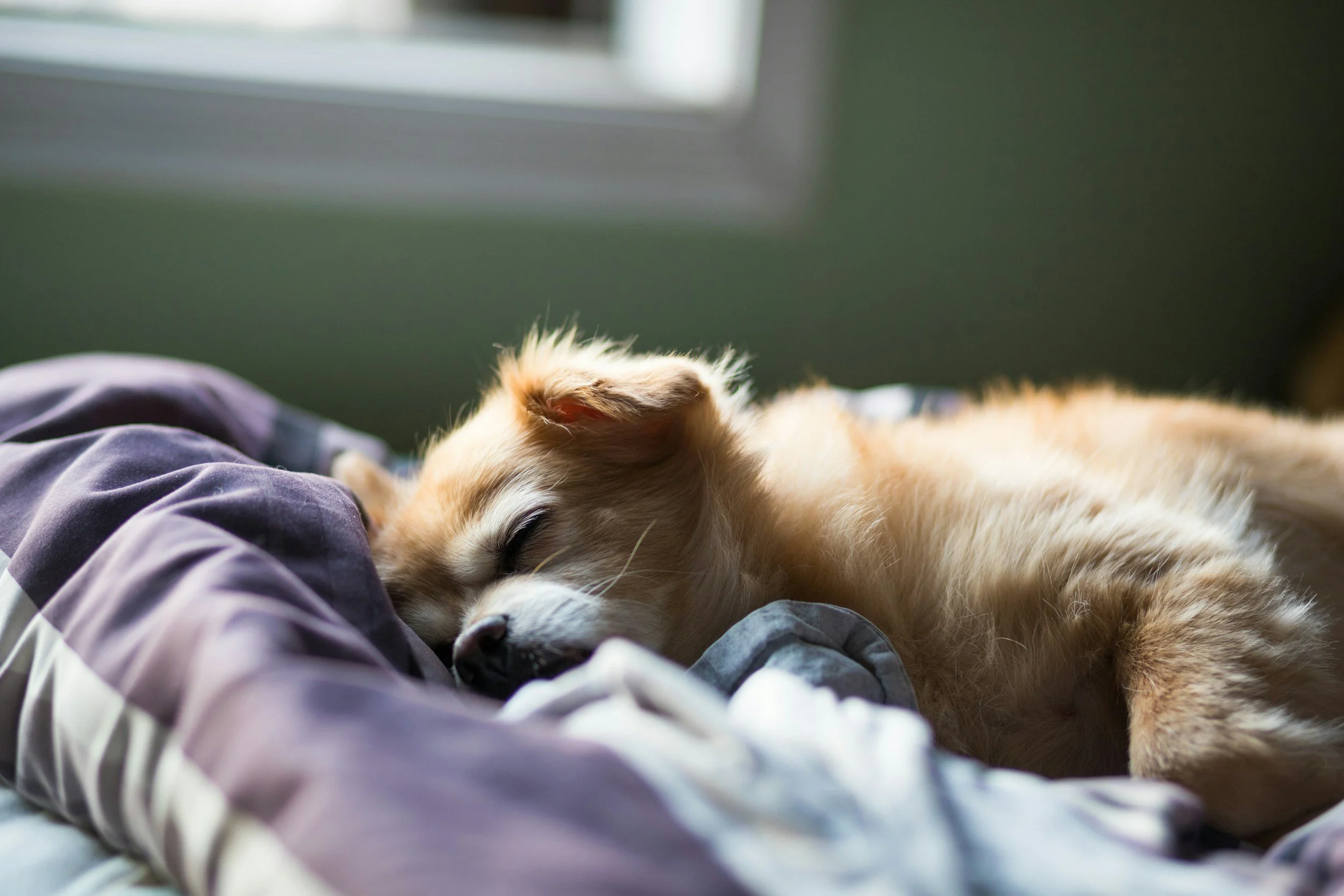
One of the most common sleeping positions is the classic curl.
Dogs and cats tuck their paws underneath them, wrap their tail around their body and curl into a tight ball.
This position helps them:
Conserve body heat
Protect their vital organs
Feel secure while resting
Pets who favour this position often enjoy routine, familiar surroundings and cosy places to sleep. It's a perfectly natural instinct that dates back to their wild ancestors.
The Superhero Pose
You've probably seen this one before.
Front legs stretched out in front, back legs extended behind, looking as though they're about to take off.
This position is especially popular with puppies and young, energetic dogs.
It allows them to wake up and spring straight into action—whether that's chasing a toy, greeting you at the door or running into the garden.
For active pets, it's simply an efficient way to rest without being completely "off duty."
The Belly-Up Sleeper
Few positions demonstrate trust quite like sleeping on the back with the tummy exposed.
The stomach is one of the most vulnerable areas of the body, so exposing it while asleep usually suggests your pet feels completely relaxed and safe.
Pets who sleep this way are often:
Comfortable in their home
Feeling secure around their family
Relaxed and confident
Of course, some dogs also choose this position because it's a great way to cool down on warmer days.
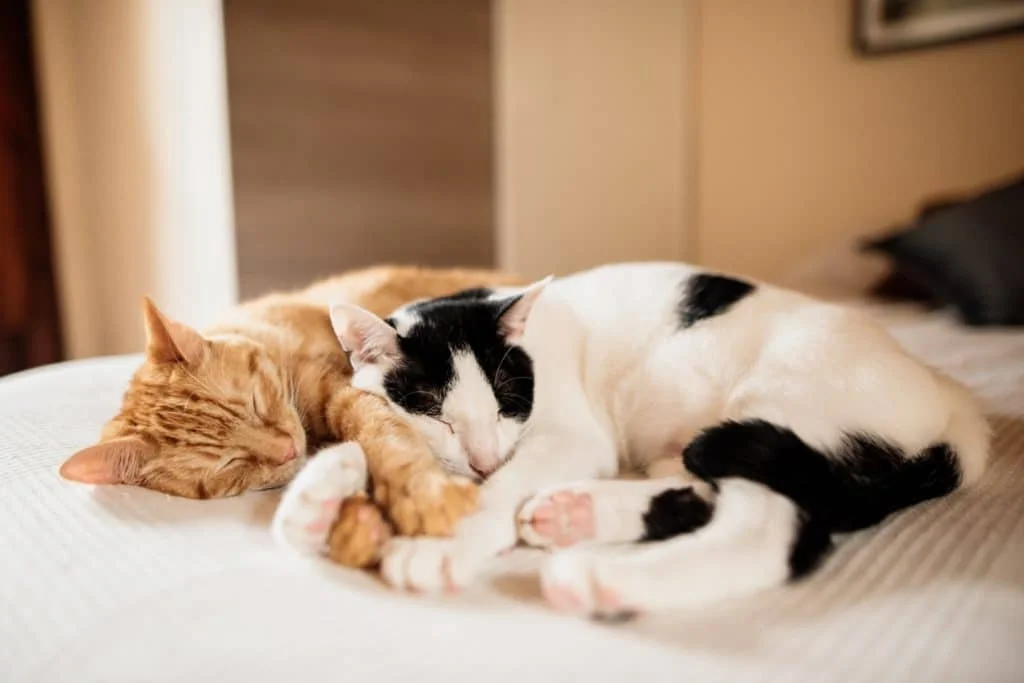
The Starfish
Every household seems to have one.
The pet who somehow manages to occupy half the sofa, most of the bed and, somehow, your pillow too.
The famous "starfish" sleeper sprawls out in every direction without the slightest concern for personal space.
What does it mean?
Usually that your pet feels incredibly comfortable in their surroundings.
Or perhaps they've simply decided the furniture belongs to them now.
To be fair… they may have a point.
The Human Attachment
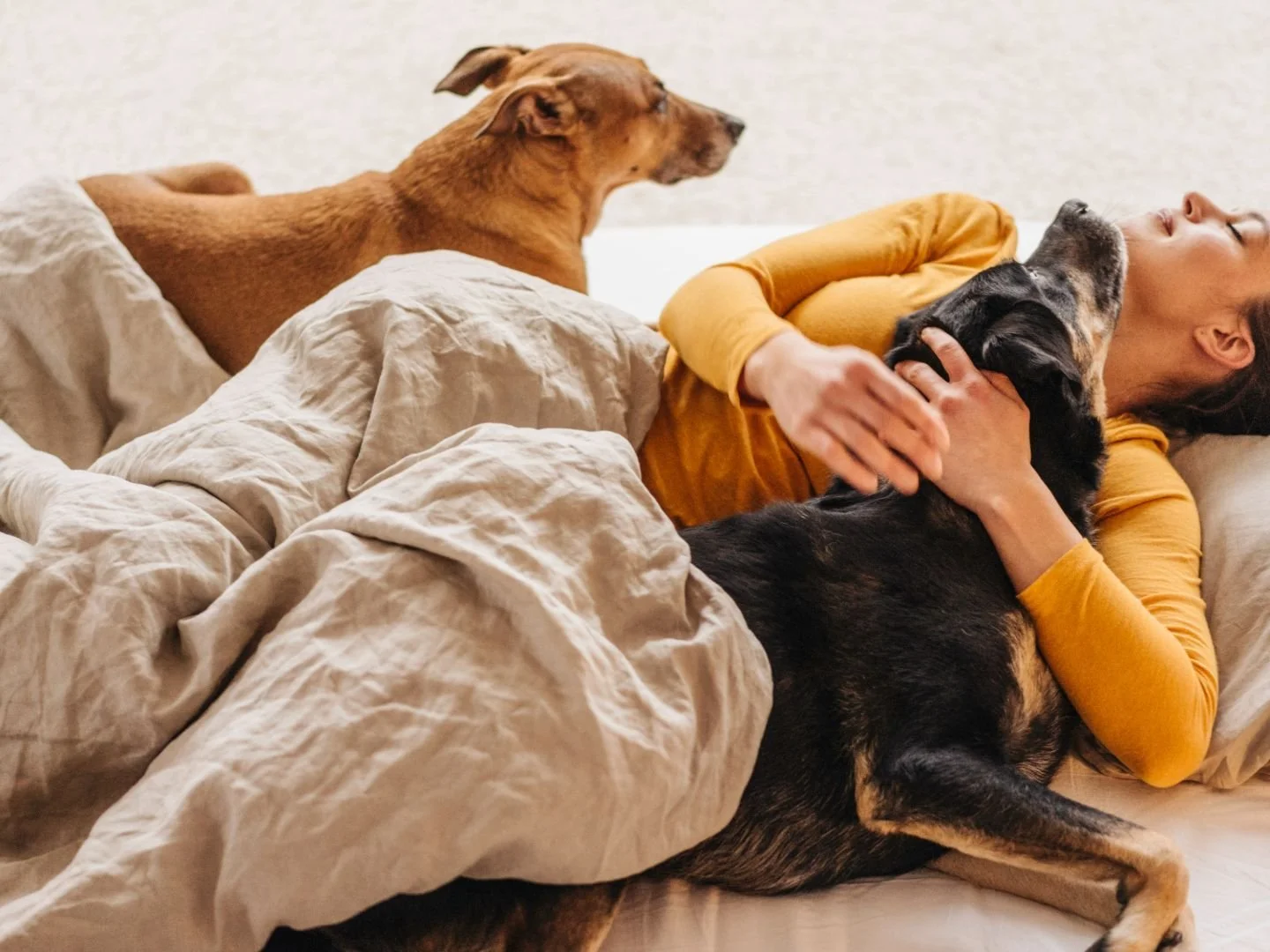
Some dogs and cats insist on sleeping against your feet, your legs, your lap or even your head.
This behaviour often reflects a strong bond between pet and owner.
Sleeping while touching a trusted person can provide reassurance and comfort, helping pets feel safe while they rest.
It's particularly common in:
Companion breeds
Young animals
Pets who enjoy close human interaction
Many owners find these quiet moments to be among the most special parts of sharing life with a pet.
Can Sleeping Positions Change?
Absolutely.
A pet's preferred sleeping position may change depending on:
Age
Temperature
Health
Comfort
Mood
Environment
For example, a dog may curl up during colder weather but stretch out fully during warmer months.
The important thing isn't the position itself, but sudden changes accompanied by signs of discomfort, restlessness or pain. If your pet's sleeping habits change dramatically and you're concerned, it's always worth speaking to your vet.
Final Thoughts
Every pet has their own favourite way to sleep, and that's part of what makes them unique.
Whether your dog curls into a tiny ball, your cat sleeps belly-up, or your four-legged friend somehow manages to take over the entire bed, these little habits give us another glimpse into their personalities and how they experience the world around them.
We'd Love to Know!
What is your pet's favourite sleeping position?
Is your dog a superhero sleeper? Does your cat insist on sharing your pillow?
Tell us—we'd love to hear about your furry family members.