Why Does My Pet Always Act Like They Haven't Eaten for a Week?
Introduction
You fill the food bowl.
They eat every last bite.
Five minutes later they're staring at you as though they haven't eaten in days.
If this sounds familiar, you're certainly not alone.
Many dog and cat owners wonder why their pets always seem hungry—even when they've just finished a perfectly balanced meal.
The answer is often more interesting than simple hunger.
It's Written Into Their DNA
Our pets may live comfortable lives today, but their instincts haven't disappeared.
Dogs evolved from scavengers and hunters who never knew when their next meal would arrive. Whenever food was available, it made sense to eat.
Cats evolved differently, but with a similar challenge.
As small predators, they relied on frequent successful hunts to survive. Missing opportunities to eat wasn't a good strategy.
Although today's pets no longer need to search for every meal, many of these natural instincts remain.
The Professional Beggar
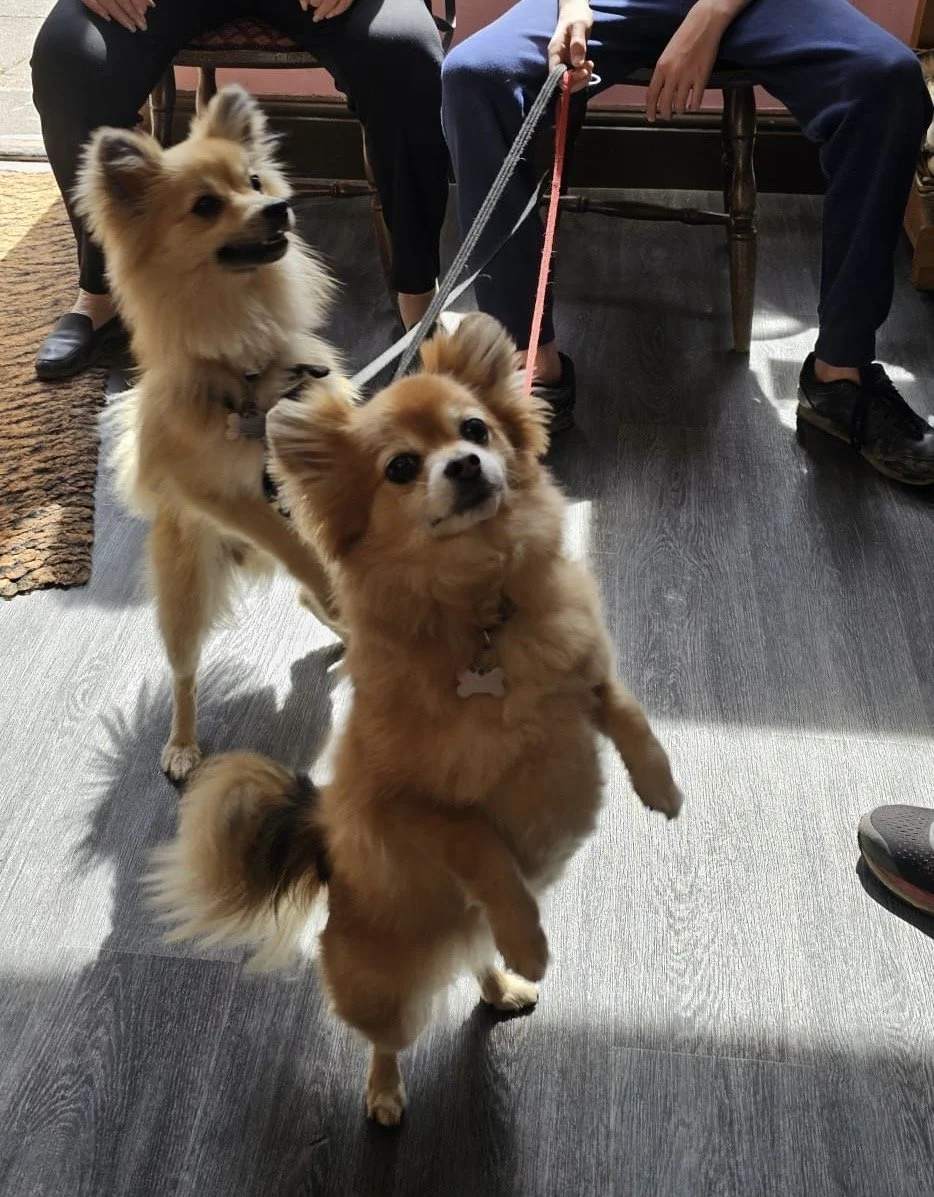
Some pets quickly discover that looking hungry can be surprisingly rewarding.
A hopeful stare.
A gentle paw.
Following you into the kitchen.
Watching every bite you eat.
Over time, they learn that these behaviours sometimes result in an extra snack.
It's not manipulation in the human sense—it's simply learning what works.
And our pets can become very good at it.
Food Isn't Always About Hunger
One of the biggest misconceptions is that asking for food always means a pet is hungry.
In reality, your dog or cat may be looking for:
Attention
Mental stimulation
A familiar routine
Something interesting to do
Curiosity about what you're eating
Because food often comes with interaction, many pets learn to associate asking with receiving attention—even if it's just you talking to them.
Why Some Pets Are Picky but Still Always Hungry
This can seem confusing at first.
A pet turns down one treat but eagerly waits for another.
In many cases, it isn't about wanting more food—it's about wanting something different.
Dogs and cats experience food very differently from humans.
Smell, texture and familiarity all influence what they choose to eat.
Some pets naturally prefer foods with stronger aromas or different textures, while others simply enjoy variety.
When Is Increased Hunger a Concern?
Occasionally asking for food is perfectly normal.
However, if your pet suddenly develops an unusually large appetite, loses weight despite eating normally, drinks excessive amounts of water or shows other changes in behaviour, it's important to consult your veterinarian.
A significant change in appetite can sometimes indicate an underlying health issue that requires professional attention.
Final Thoughts
The next time your dog sits beside the cupboard or your cat gives you that unmistakable "feed me" stare, take a moment before reaching for another snack.
Ask yourself:
Are they genuinely hungry?
Or are they simply following instincts that have been part of their species for thousands of years?
Understanding why our pets behave the way they do helps us respond in ways that support both their health and their happiness.